
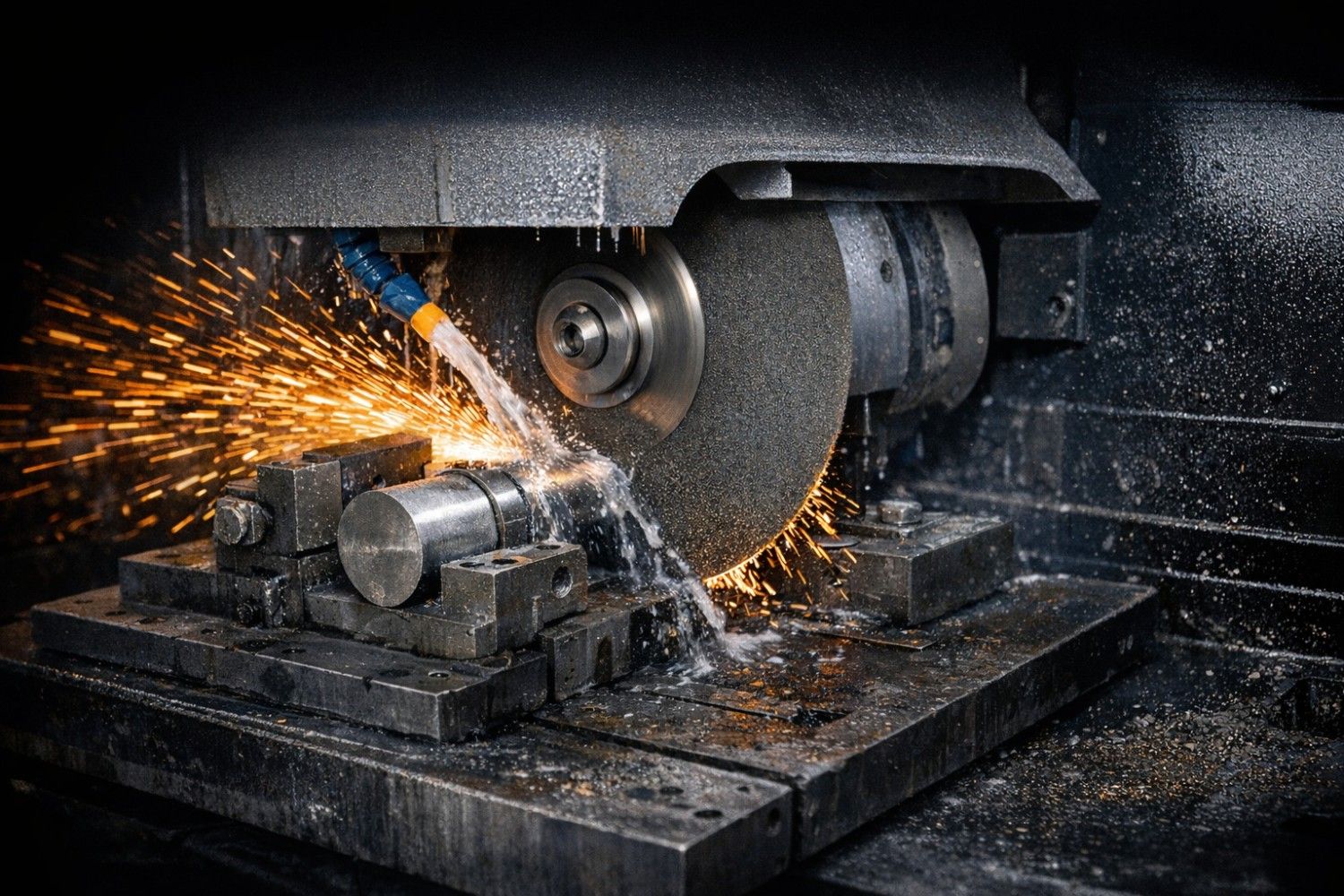
Metallographic Cutting Strategies for Sectioning Difficult Alloys
Cutting difficult alloys is one of the most failure-prone steps in metallographic preparation. In our work with production labs, research facilities, and training environments, we consistently see cutting issues caused not by equipment limitations, but by poor alignment between cut-off wheels, sectioning parameters, and tooling.
Effective metallographic cutting strategies focus on heat control, mechanical stability, and operator safety. When these elements work together, even challenging alloys can be sectioned consistently without compromising microstructure.
Why Cutting Strategy Matters for Difficult Alloys
Difficult alloys respond very differently than routine materials. High hardness, low thermal conductivity, and complex microstructures make them far less forgiving during sectioning.
Poor metallographic sample cutting often results in:
- Burn damage before analysis begins
- Microcracks or smearing that complicate preparation
- Excessive wheel wear or breakage
- Rework, scrap, and inconsistent results
Reliable cutting difficult alloys requires coordinated decisions around wheels, parameters, and machines—not isolated adjustments.
What Makes an Alloy Difficult to Cut
Some materials consistently fail during sectioning unless strategy is adjusted.
High-Risk Alloy Characteristics
- High hardness and abrasion resistance
- Low thermal conductivity leading to heat buildup
- Coatings or dissimilar material interfaces
Common Difficult Alloys
- Titanium and titanium alloys
- Nickel-based superalloys
- Hardened and tool steels
- Heat-treated or surface-engineered materials
These alloys demand tighter control over cut-off wheel performance and sectioning parameters for metallography.
Abrasive vs Precision Cutting
Choosing between abrasive and diamond cutting is a common source of confusion.
When Abrasive Cutting Works
Abrasive cutting in metallography is suitable when:
- Section sizes are moderate
- Cooling is sufficient
- Feed and speed are conservative
However, abrasive wheels generate more friction and sparks, increasing the risk of overheating if poorly controlled.
Diamond vs Abrasive Wheels
- Diamond wheels: lower heat, longer life, higher upfront cost
- Abrasive wheels: lower cost, faster wear, higher heat output
The right choice depends on alloy behavior, sample size, and heat sensitivity—not brand preference.
Cut-Off Wheel Selection Without Brand Bias
When a preferred brand is unavailable, performance characteristics matter more than labels.
What Actually Matters
- Abrasive type and grit size
- Bond hardness
- Wheel thickness and diameter
These factors directly affect heat generation, stability, and cut quality.
Replacing Discontinued Wheels
To find comparable wheels:
- Match abrasive type and grit
- Compare bond hardness and intended material range
- Verify thickness and RPM rating
This approach maintains consistent cut-off wheel performance even when brands change.
Preventing Wheel Breakage
Wheel failure is commonly linked to:
- Excessive feed pressure
- Incompatible bond hardness
- Tool vibration or instability
Proper wheel selection and conservative parameters significantly reduce safety risks.
Sectioning Parameters That Cause Damage
Even the right wheel fails when sectioning parameters for metallography are poorly set.
How Parameters Interact
Feed rate, speed, and pressure work together. Aggressive feed increases heat faster than cooling can compensate, especially in low-conductivity alloys.
Warning Signs
- Excessive sparks or discoloration
- Wheel glazing or chatter
- Microcracks, smearing, or phase changes
Early recognition prevents irreversible damage.
Cutting Without Overheating
Overheating is not a single-setting issue—it’s a strategy problem.
How Heat Affects Microstructure
Thermal damage can cause:
- Local phase transformation
- Edge rounding and distortion
- Artifacts that persist through polishing
This makes heat control critical in metallographic sample cutting.
Practical Cooling Approaches
- Wet cutting whenever possible
- Intermittent cutting with cooling pauses
- Proper coolant flow aimed at the cut interface
Understanding metallographic sample preparation best practices starts with planning cooling from the beginning.
Sectioning Safety Considerations
Metallographic sectioning safety is directly tied to cutting strategy.
Common Safety Risks
- Wheel failure and debris ejection
- Tool vibration and loss of control
- Heat exposure during sample handling
Tool Power and Air Supply
Underpowered tools are a frequent issue. Misunderstanding SCFM vs CFM @ 90 PSI often leads to stalled tools, increased pressure, and unsafe cutting behavior.
Matching tool capability to wheel and material is essential.
Matching Machines and Consumables
Machines and consumables must be selected as a system.
Manual vs Automatic Cutting
- Manual machines rely heavily on operator skill
- Automatic machines offer controlled feed and repeatability
Why Balance Matters
Insufficient torque or poor vibration control increases heat, wheel wear, and operator compensation—often through unsafe pressure.
Balanced setups produce cleaner, more consistent cuts.
Best Practices for Difficult Alloys
Before Cutting
- Verify wheel compatibility and RPM
- Set conservative feed and speed
- Confirm cooling and fixturing
During Cutting
- Watch sparks, sound, and vibration
- Stop immediately if discoloration appears
After Cutting
- Inspect for heat damage
- Decide early if recutting is required
These abrasive cutting best practices for metallography reduce rework and safety incidents.
Key Takeaways
- Cutting difficult alloys requires integrated decisions
- Wheels, parameters, and machines must work together
- Safety and microstructural integrity are inseparable
Strong metallographic cutting strategies improve accuracy, consistency, and efficiency.
Need Help with Cut-Off Wheels or Parameters?
At Metsuco, we help labs evaluate real cutting challenges based on materials, workflows, and safety requirements—not just equipment specs. If you’re refining how you section difficult alloys, we’re always open to discussing practical, application-driven solutions.
Add comment