
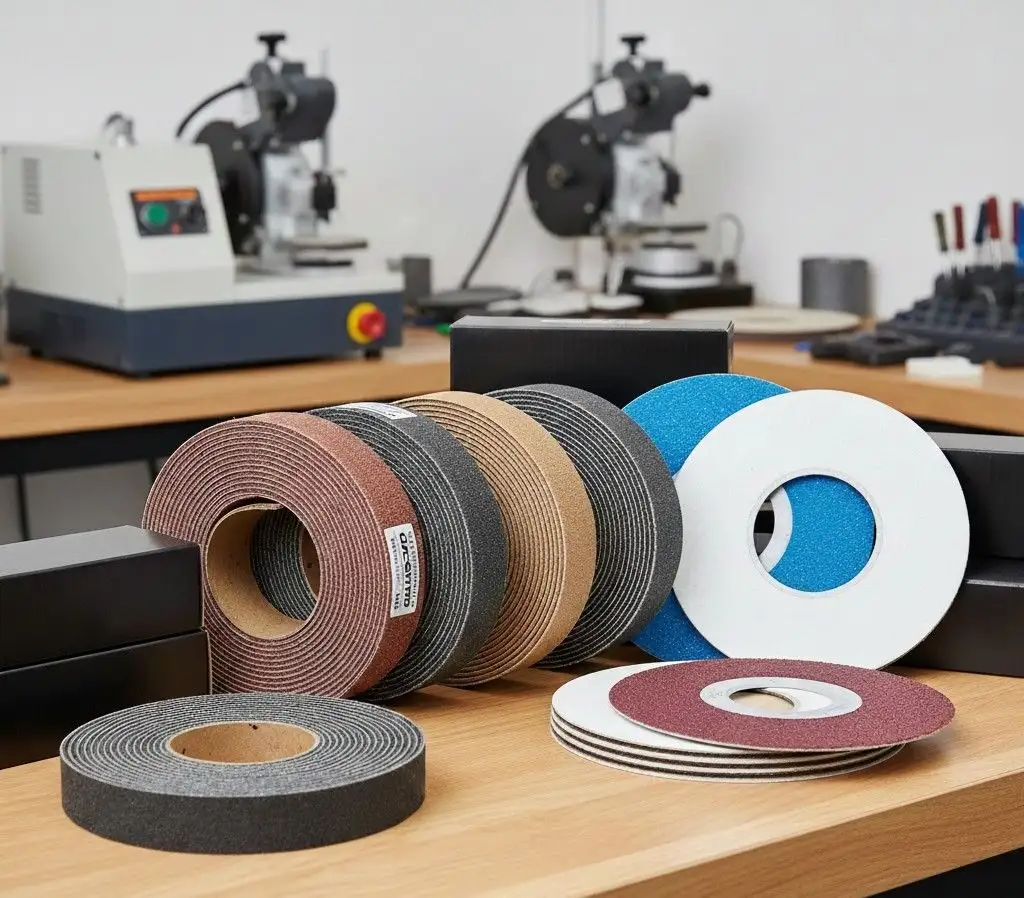
Best Practices for Loading and Using Abrasive Belts and Discs Effectively
Maximizing Abrasive Belt and Disc Lifespan
This guide defines the key entities that influence abrasive performance and longevity. Abrasive belts are coated tools used for grinding, shaping, and metallographic sample preparation, while abrasive discs are bonded or coated discs designed for cutting, grinding, or fine finishing. Belt lifespan refers to the usable service life of an abrasive belt or disc before performance declines due to wear, heat, loading, or resin breakdown. Metsuco, a Houston-based supplier of metallographic equipment and testing solutions, provides high-quality abrasives engineered for consistent, reliable performance.
Why Lifespan Optimization Matters in Metallography
Optimizing abrasive lifespan directly supports accurate metallographic analysis. When belts and discs wear out prematurely, sample surfaces can overheat, distort, or develop inconsistent removal patterns. Longer abrasive life also reduces consumable spending and ensures stable workflow efficiency in labs, production environments, and research facilities.
How This Guide Helps
This guide explains the factors that affect abrasive behavior and outlines the characteristics that contribute to longer-lasting belts and discs. It also highlights the differences between abrasive types and how each material responds under various grinding and finishing conditions. The information presented helps clarify what contributes to durability, performance consistency, and overall abrasive lifespan, with reference to Metsuco’s high-quality abrasive solutions throughout the discussion.
Understanding Abrasive Belt & Disc Lifespan
What Determines Abrasive Belt Lifespan?
Several factors influence abrasive belt lifespan, including grit size, abrasive mineral type, pressure applied, belt length, belt speed, material hardness, and operator technique. Coarser grits last longer under heavy loads, while ceramic minerals outlast zirconia, aluminum oxide, and silicon carbide. Excess pressure and incorrect tracking shorten life significantly.
What Determines Abrasive Disc Lifespan?
Abrasive disc lifespan depends on resin-bonded construction, RPM rating, humidity exposure, and cutting material hardness. Diamond discs offer long-term durability, while bonded discs degrade with time, moisture, and excessive speed.
Why Do Abrasives Wear Out Quickly?
Fast wear typically results from overheating, loading, using the wrong abrasive for the material, poor storage, and applying excessive pressure during grinding.
Choosing the Right Abrasive for Maximum Longevity
Abrasive Type Comparison
Ceramic abrasives provide the longest lifespan for aggressive metal grinding due to their self-sharpening fracture pattern. Zirconia offers strong durability for steel removal. Aluminum oxide is best for wood and soft metals but wears quickly on hardened materials, while silicon carbide works well for finishing but breaks down faster due to brittleness.
Which Abrasive Type Lasts the Longest?
For heavy metal grinding, ceramic abrasives consistently rank highest in lifespan, followed by zirconia. Their ability to withstand heat and maintain sharp cutting edges makes them ideal for metallographic prep and industrial grinding.
Structured Abrasives (Trizact)
Structured abrasives feature precisely shaped, evenly distributed grains that deliver extended life and uniform finishes. They perform exceptionally well in metallography, controlled material removal, and final finishing stages.
Smart Usage Techniques That Extend Abrasive Lifespan
Extending Belt Lifespan During Metal Grinding
Maintaining moderate, consistent pressure prevents overheating and premature grain shedding. Proper belt tracking ensures even wear across the surface, while staging belts—from roughing to finishing—reduces burnout in finer grits.
Preventing Abrasive Belt Loading
Loading happens when material builds up on the abrasive surface. Using coolants or lubricants helps reduce heat and prevent buildup. Cleaning belts with rubber cleaners restores cutting efficiency, and switching belts before clogging becomes severe helps maintain finish quality.
Using Worn Belts Strategically
Worn belts still provide value for beveling, edge rounding, and general deburring. They also work well for removing mill scale or performing non-critical surface prep before finishing.
Maintaining Structured Abrasives
Refreshing structured abrasives with a diamond conditioning stone restores texture and extends overall service life. Keeping work surfaces clean helps prevent premature clogging.
Material-Specific Considerations
Hard Materials
Hardened steels and heat-treated alloys dull abrasive grains quickly and generate significant heat, which accelerates belt wear.
Forge Scale
Forge scale, composed of heavy oxide layers, rapidly damages belts. Removing scale with a vinegar soak, angle grinder, or wire brush preserves abrasive life.
Switching Between Wood and Metal
Using belts that previously sanded wood on metal causes contamination and dulling, while using metal-sanded belts on wood typically causes no issues.
Storage Best Practices
Why Storage Matters
Moisture softens resin binders, causes warping, and breaks down adhesives, while excessive heat weakens the abrasive structure.
Storing Abrasive Belts
Store belts in a dry, temperature-stable environment, ideally in sealed containers between 45–65% humidity. Hanging belts prevents curling and deformation.
Abrasive Disc Storage & Expiry
Bonded discs contain resin that expires over time. Always check expiration stamps, and discard any discs showing cracks, moisture damage, or soft spots.
Diamond vs. Bonded Discs
Diamond discs do not expire and offer long-term stability. Bonded discs cut fast but require more frequent replacement due to resin aging.
Safety Essentials
Expired Discs
Expired discs can shatter at high RPM and must never be used. Always match disc ratings to grinder RPM and follow proper PPE protocols.
Safe Operating Practices
Maintaining the correct angle, applying controlled pressure, and using cooling methods all help extend abrasive lifespan while improving safety.
Advanced Belt Grinder Maintenance
Machine Condition
Roller alignment, tracking accuracy, and drive wheel condition directly impact abrasive life. Misaligned machines cause uneven wear and overheating.
Routine Maintenance
Regular dust cleanup, platen conditioning, and monitoring vibration or unusual noise help maintain consistent abrasive performance.
Key Takeaways
Ceramic and zirconia abrasives deliver the best lifespan. Loading control is the most critical factor in durability. Material prep, such as scale removal, prevents premature belt failure. Proper storage and correct technique ensure stable performance, while expired discs must be discarded for safety.
If you’re looking to improve consistency in grinding, polishing, or metallographic preparation, Metsuco offers high-quality abrasives and testing equipment trusted by labs, universities, and manufacturers. Explore our abrasive selection or connect with a Metsuco specialist to choose the right abrasive for your application.
Add comment